Playground Inclusivity

Playground Inclusivity

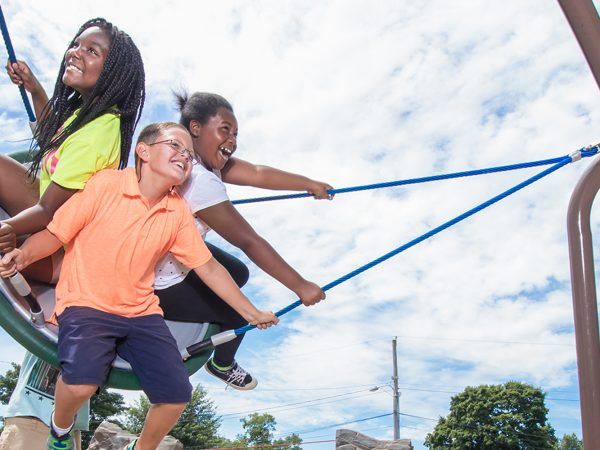
We believe the thrill and challenge of the playground belong to every child. A journey of self-discovery shouldn’t have limits, which is why we design play spaces that go beyond accessibility guidelines to bring kids of all abilities together. Our Inclusivity articles explore what it takes to create playgrounds that welcome everyone, from design considerations for children with autism to playgrounds that support kids who are blind, visually impaired, deaf or hard of hearing. We also look at how color, pattern and music can make play spaces more engaging for every child.

Sensory play is a big part of the conversation. You’ll find articles on the benefits of sensory play, how it supports cognitive development, how to prevent sensory overload at school and sensory activities kids love. We also share ways to encourage physical activity for children with Down syndrome, why recess matters for kids with ADHD and how to design age-inclusive spaces where whole families can play together. Because when every child has a meaningful way to play, the whole community wins.

"*" indicates required fields

By submitting this form, you agree to the terms outlined in our Privacy Policy. This site is protected by reCAPTCHA and the Google Privacy Policy and Terms of Service apply.

MREC - Email Opt In
Sync to Salesforce
Execute Lead Assignment Trigger

Blog Posts

a girl wearing a tie dye shirt playing with sensory playground equipment

Making Playgrounds Accessible and Inclusive for All

Do you remember spending afternoons swinging high into the sky, dreaming of life’s possibilities? Or speeding down the slide to catch up with a friend? Many of us look back fondly to the days when life revolved around the playground.…
View

The Importance of Recess for Kids With ADHD

Attention deficit hyperactivity disorder (ADHD) is a mental disorder that affects children of all ages. It can cause distraction, disorganization, concentration issues, forgetfulness, restlessness and more. Children with ADHD tend to have…
View

Note: At Miracle Recreation, we’re aware of the ongoing debate in the autism community over the use of identity-first (autistic person) and person-first (person with autism) language. We understand the choice is a highly personal one, especially for individuals in the autism community, so we’ve decided to use a combination of person-first and identity-first language.