
Creating a Fun Pocket Park for Your Community
Every community deserves a place to play, connect, and breathe, even when space is tight. That’s where pocket parks come in. These small but mighty green spaces are transforming urban neighborhoods across the country, giving kids a place to run and climb and giving families a reason to step outside. Whether you’re a city planner, a parks and recreation director, or a community advocate, understanding how to design and build a great pocket park can make a real difference in the lives of the people you serve. Miracle Recreation is here to help you every step of the way.
What Is a Pocket Park?
A pocket park, also known as a minipark, is a small park that’s accessible to the general public, often tucked into a vacant lot, unused alley, brownfield or irregularly shaped piece of land. They are usually located within an urban area but may also be built in suburban neighborhoods in need of green space.
Pocket parks can create new public spaces without the need for large-scale redevelopment. That’s what makes them such a powerful tool for communities — they take what’s forgotten or underused and turn it into something that brings people together. They can serve as focal points of activity and interest in urban areas. Common elements of urban pocket parks include benches, tables, fountains, playgrounds, monuments, historic markers, art installations, barbecue pits, flower beds, community gardens or basketball courts.
What Size Is a Pocket Park?
Unlike sprawling municipal parks, pocket parks are defined by their compact size. While there is no official size limit, most range from a fraction of an acre up to a single acre. Many are as small as 1/10th of an acre, which is equivalent to the size of a single residential lot in a bustling city.
Whether you have several vacant lots side by side or just a few hundred square feet, you can make a big impact on the neighborhood by creating a pocket park that reflects the community’s needs. The key is to make smart, space-saving design decisions while planning your park so that the result is a high-density, high-quality experience for the surrounding neighborhood.
Pocket Park Design Considerations
Creating a great small park layout takes thoughtful planning. You want to make the most of the space while designing a place that feels welcoming, safe, and fun. Here are the most important factors to consider when starting your pocket park design:
- Know Your Community: Since pocket parks serve the locals within easy walking distance, it’s important to gather ideas from the people who live nearby. Learn what elements community members want most, and remember that you may need to make trade-offs to maximize the benefits.Developing a pocket park generally entails extensive public participation and collaboration between community members, landscape architects, municipal officials, and local businesses and schools. Through this community organization, the development of a minipark promotes grassroots planning and strengthens relationships between residents and local authorities.
- Choose the Right Location: Ensure the site can reasonably accommodate the needs of the local community, including a sense of security. Because many pocket parks are nestled in busy city areas, safety is paramount. Utilizing secure fencing, natural barriers like shrubs, and clear sightlines within the park helps create a secure zone where parents feel confident letting their kids play.
- Let the Shape and Size Influence the Design: The shape of your lot will influence the layout more than you might expect. A long, narrow parcel may work best with linear seating, a small play zone, or a series of fitness nodes. A square or more open site may allow for a central focal point, such as a compact playground structure or a themed feature.
- Incorporate Play, Rest, and Gathering Areas: If the size allows, plan for more than one function in your minipark. Your park might include benches, a small play area, shade (trees or shade structures), and a place for social gatherings. Variety helps the space appeal to more ages and more diverse users.
- Include Green and Natural Elements: A water element, such as a waterfall or fountain, can lend the park that serenity users are seeking by creating a buffer against the noises of the outside world. Gardens of flowers and low bushes can act as boundaries while also enhancing the space.
- Design for Inclusivity: At Miracle Recreation, we believe every child deserves to feel like they truly belong on every playground. While all US playgrounds are required to be ADA-compliant, inclusive play spaces from Miracle Recreation go beyond accessibility alone. We make it possible for children of different ages and abilities to play together. Our inclusive playgrounds have lower access points, offer more space, and provide additional accessibility and sensory benefits that children of different ages and abilities can enjoy together. Bring in community members or a landscape architect with experience designing inclusive spaces to ensure your park is accessible to people using strollers, wheelchairs, and walkers.
- Use Durable, Low-Maintenance Materials: Because pocket parks often see heavy daily use, materials should be chosen for durability and ease of care. This is especially important in urban settings where maintenance resources may be limited or dependent upon volunteers.
Creative Pocket Park Ideas
Even with a small space, you can think big! Choosing a theme is a great way to give your park personality and make it a landmark for your neighborhood. Here are a few pocket park ideas to spark your imagination:
- Nature-Inspired Escape: Bring the forest to the city. Use natural tones, wood-like textures, and leaf-like shade to create a woodland wonderland. Pair this with plantings of native flowers and shrubs to attract local butterflies and birds.
- Miniature Cityscape: Celebrate the surrounding city with a mini-metropolis theme. You can use themed playhouses, like a tiny fire station, post office, or grocery store, to encourage imaginative, cooperative roleplay.
- Sensory Garden & Play Oasis: Combine lush plants with sensory play panels, outdoor musical instruments, and textured pathways. This creates a soothing, restorative environment that is highly inclusive.
- High-Energy Adventure Hub: Focus on movement and physical challenges. Use climbing nets, balance beams, or compact obstacle courses that pack maximum physical play into a small area.
Why Choose Commercial Playground Equipment for Small Spaces?
When space is at a premium, every single piece of equipment must deliver maximum value. Opting for high-quality, commercial-grade playground equipment for small spaces is essential for creating a durable and engaging park.
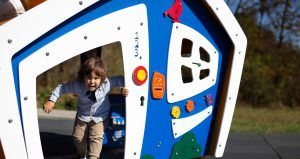
- High-Density Play Structures: Compact play systems, like Miracle Recreation’s Tots’ Choice® line, are designed to fit a wealth of activities, such as slides, climbers, and interactive panels, into a smaller, budget-friendly footprint.
- Durability and Low Maintenance: Commercial-grade equipment is engineered to withstand heavy, daily use from the public, as well as extreme weather conditions, ensuring your investment remains beautiful and safe for years to come.
- Stand-Alone Play Components: Instead of one massive structure, you can dot your small urban park with single, high-impact pieces like spinners, swings, or climbing rocks. This helps maintain a flexible, open flow across your small park layout.
- Customization: At Miracle Recreation, we can tailor our equipment to match your specific pocket park’s design, fitting around unique architectural features or existing trees to make the absolute most of your space.
Smart Ways to Fund Your Pocket Park Project
Securing the budget for a new minipark can feel like a challenge, but you don’t have to carry the financial burden alone. Because pocket parks have a smaller footprint, they are often much more affordable than large regional parks, making them highly attainable through a combination of creative funding methods.
Here are some of the best ways to fund your community’s new pocket park:
- Apply for Grants: There are countless national, state, and private grants dedicated to community development, health and wellness, and urban greening. To take the guesswork out of the application process, Miracle Recreation provides free, state-by-state Playground Grant Guides to help you find and apply for funding opportunities that align with your project.
- Leverage Local Partnerships and Sponsorships: Reach out to neighborhood businesses, financial institutions, and local developers. Many businesses are eager to sponsor specific equipment, like a bench, shade structure, or swing set, in exchange for a recognition plaque. This keeps funding local and shows off community pride!
- Launch a Community Fundraising Campaign: Since pocket parks directly serve the immediate neighborhood, residents are often enthusiastic about contributing. Host local events, run a brick-engraving fundraiser, or start a crowdfunding campaign on sites like GoFundMe. Miracle Recreation also offers a dedicated FunRaising program, connecting you with a representative to help strategize and maximize your fundraising efforts.
- Use Cooperative Purchasing and Government Financing: Skip the traditional, time-consuming bid processes by utilizing purchasing cooperatives like Sourcewell. Additionally, municipal and government financing programs, like those offered through NCL Government Capital or leasing plans, can help you secure the equipment you need today while paying over time.
- Incorporate a “Community Build”: If you want to cut down on installation costs while building community bonds, consider a community build playground! Miracle Recreation can provide a professional installation supervisor to guide the process, while local volunteers provide the sweat equity to put the final park together.
Build Your Pocket Park with Miracle Recreation
A pocket park is proof that great things really do come in small packages. With the right design, theme, and playground equipment for small spaces, even the tiniest urban lot can become the heartbeat of a neighborhood.
Miracle Recreation has helped communities located in cities develop fun, safe, and thrilling play spaces for nearly a century. With our comprehensive design services and creative customization solutions, we make it simple to create playgrounds that are more than a match for the unique challenges of urban parks and the limitations of city spaces.
At Miracle Recreation, we work closely with professional landscape architects to design and install beautiful commercial playgrounds. Our team of design professionals combines your vision and budget with playground design principles to help you create an exciting playground.
Contact us today to get started or find a representative near you!